
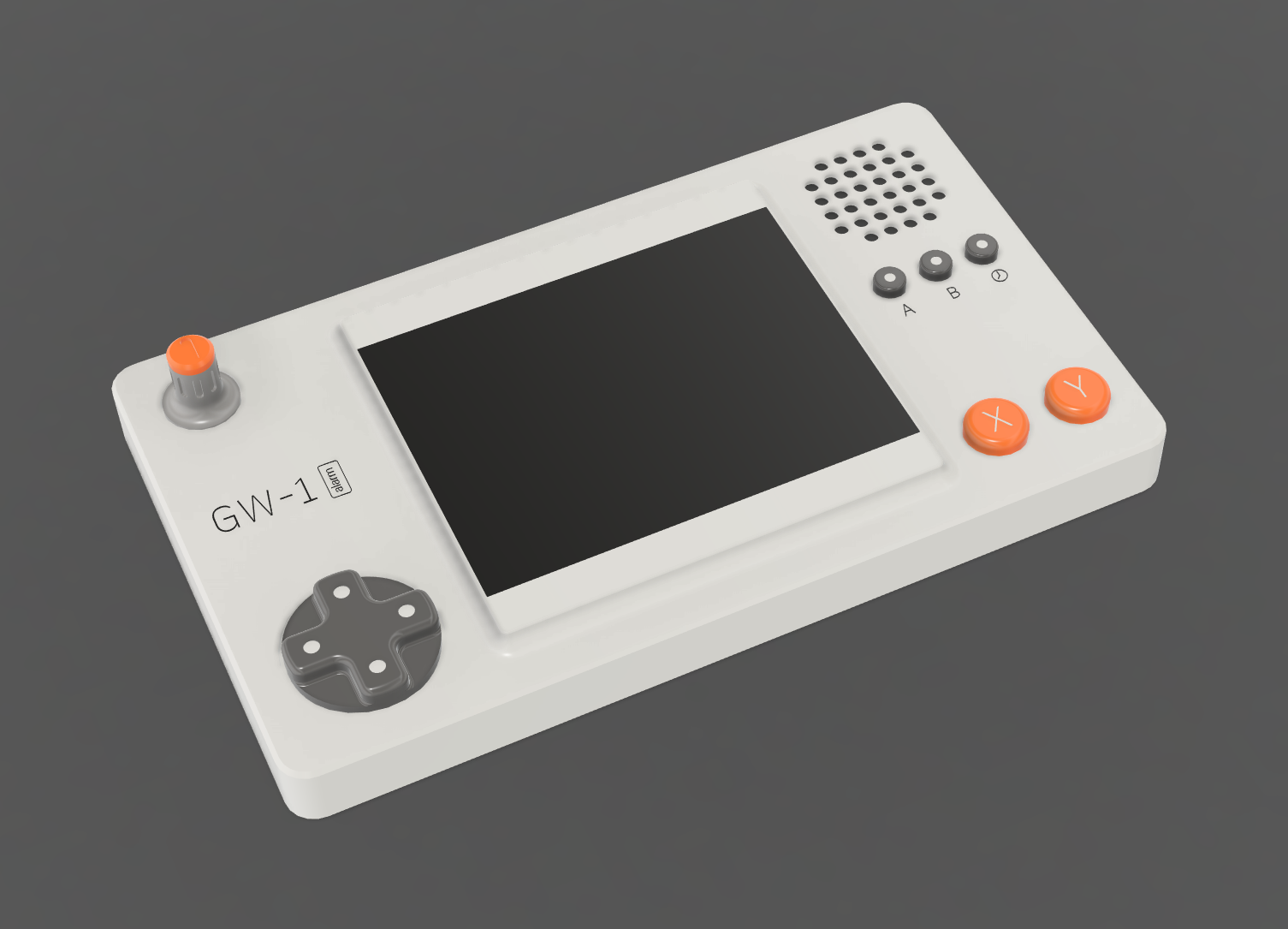
Having learned the basics of the 3d printer and Autodesk Fusion, it was now time to build something more challenging.
I’ve always loved the aesthetics of 80s and 90s Nintendo products, especially the early hand held consoles called Game & Watch. So, how about making a Game & Watch with a modern look? When it comes to modern product design, teenage engineering stand out with their unique style. The simplicity of their designs should work well with the basic functionality of the original Game & Watch.
Ok, let’s make a Game & Watch that looks as if teenage engineering had designed it!
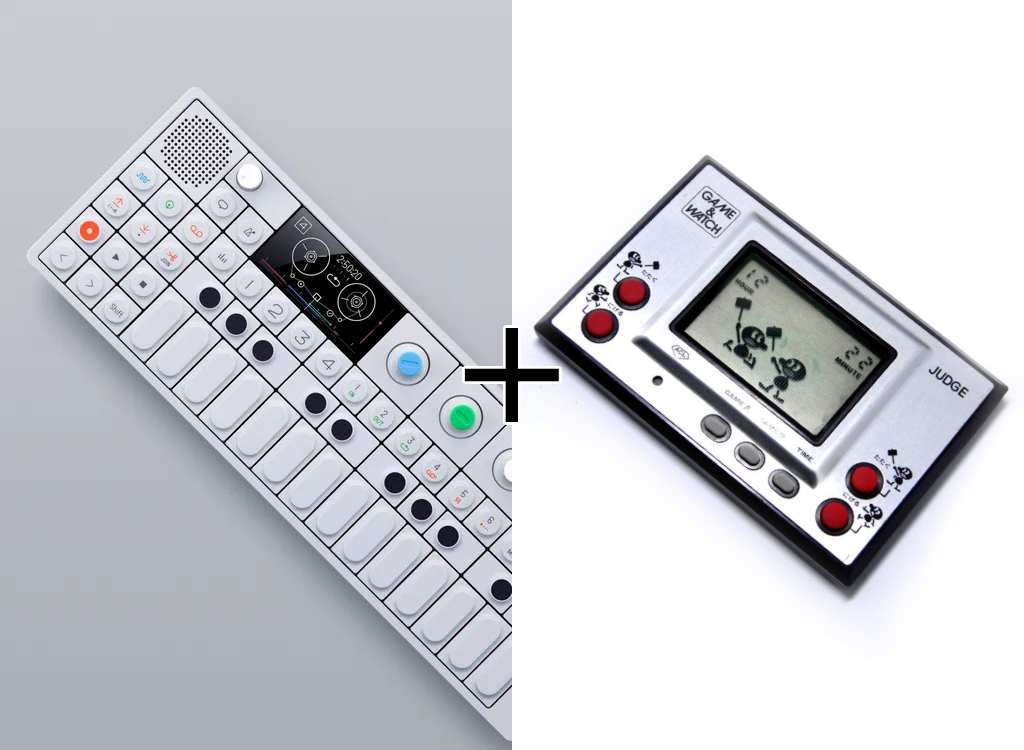
I started by measuring an old Game & Watch to get the rough size and proportions right. Then I modeled a modern version, trying to adopt as many of teenage engineering’s design quirks as possible. For instance using fillets, chamfers and debossing in similar ways to how they’ve used it on the OP-1 keyboard. And of course using their naming convention!
Although the original doesn’t have a visible speaker on the front, I added the iconic speaker + grill from the OP-1 because it looks so dang nice.
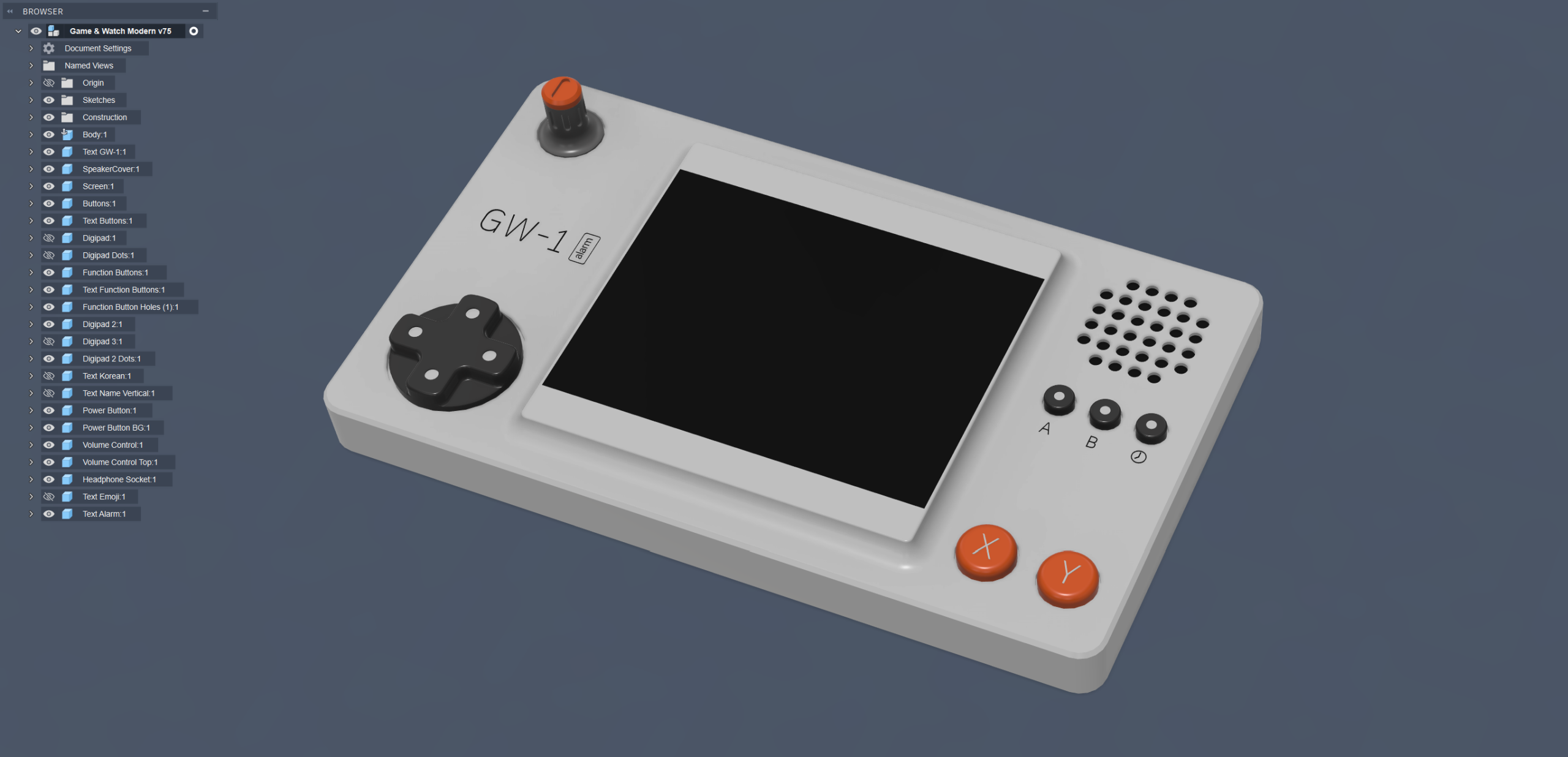
The design turned out alright and matches the style quite well. In hind sight I could have taken it a bit further by sectioning the front with debossed lines and maybe used a few more colors, but I’m still happy with how it turned out.
I 3d printed the console in parts and used a layer height of 0.1 mm and the 0.4 mm nozzle to get smooother fillets and more detail.
The buttons, knob and digipad were all printed in two colors using standard Bambu Lab PLA (matte and basic). To create the illsuion of a glass screen, I printed a black rectangle in PLA and then sprayed it a few times with high gloss varnish.
Here is the finished product:
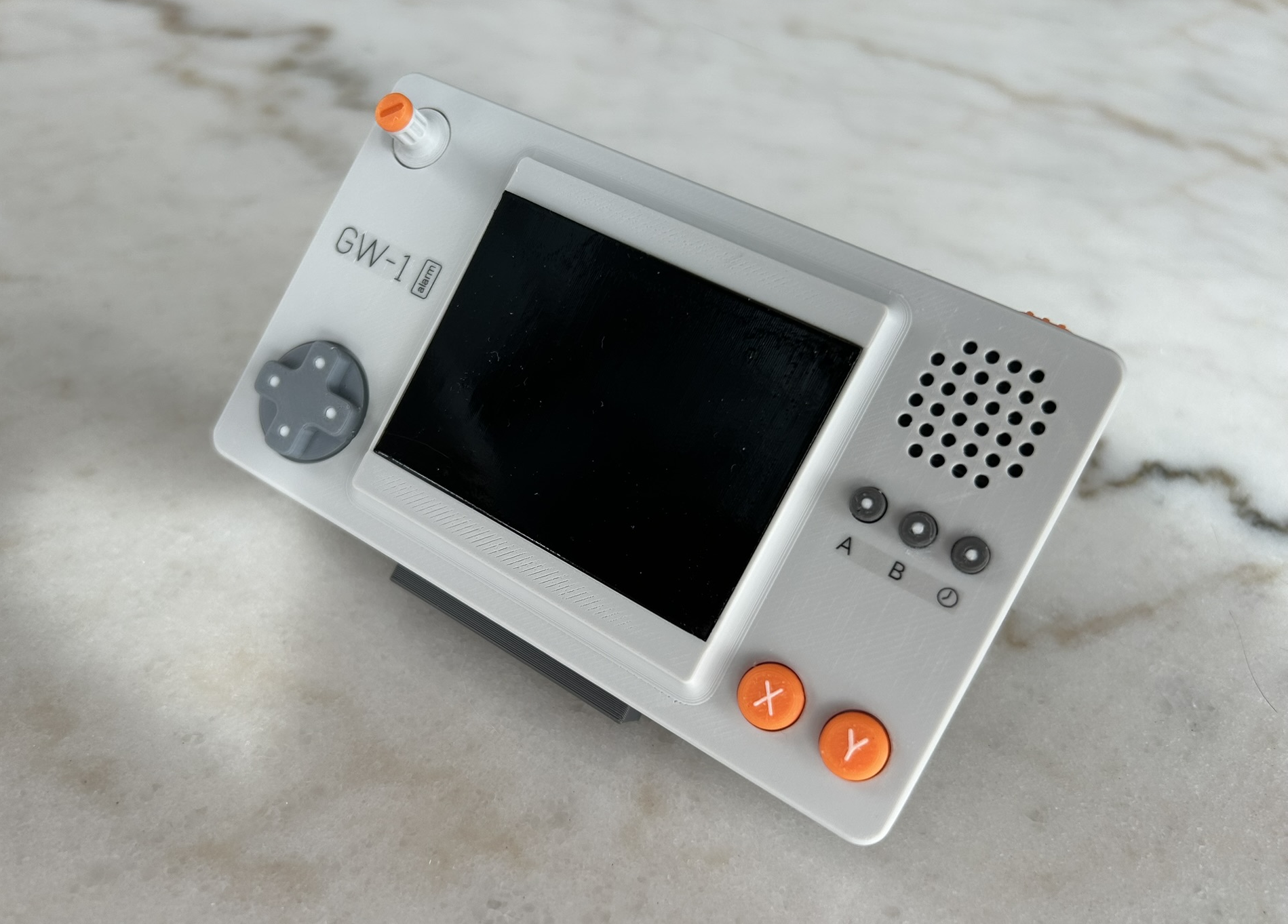
The GW-1 and button texts were applied using water slide decals and look best when viewed from the front, since the transparent background material becomes visible at angles.
Leave a Reply